

What is the NHI?
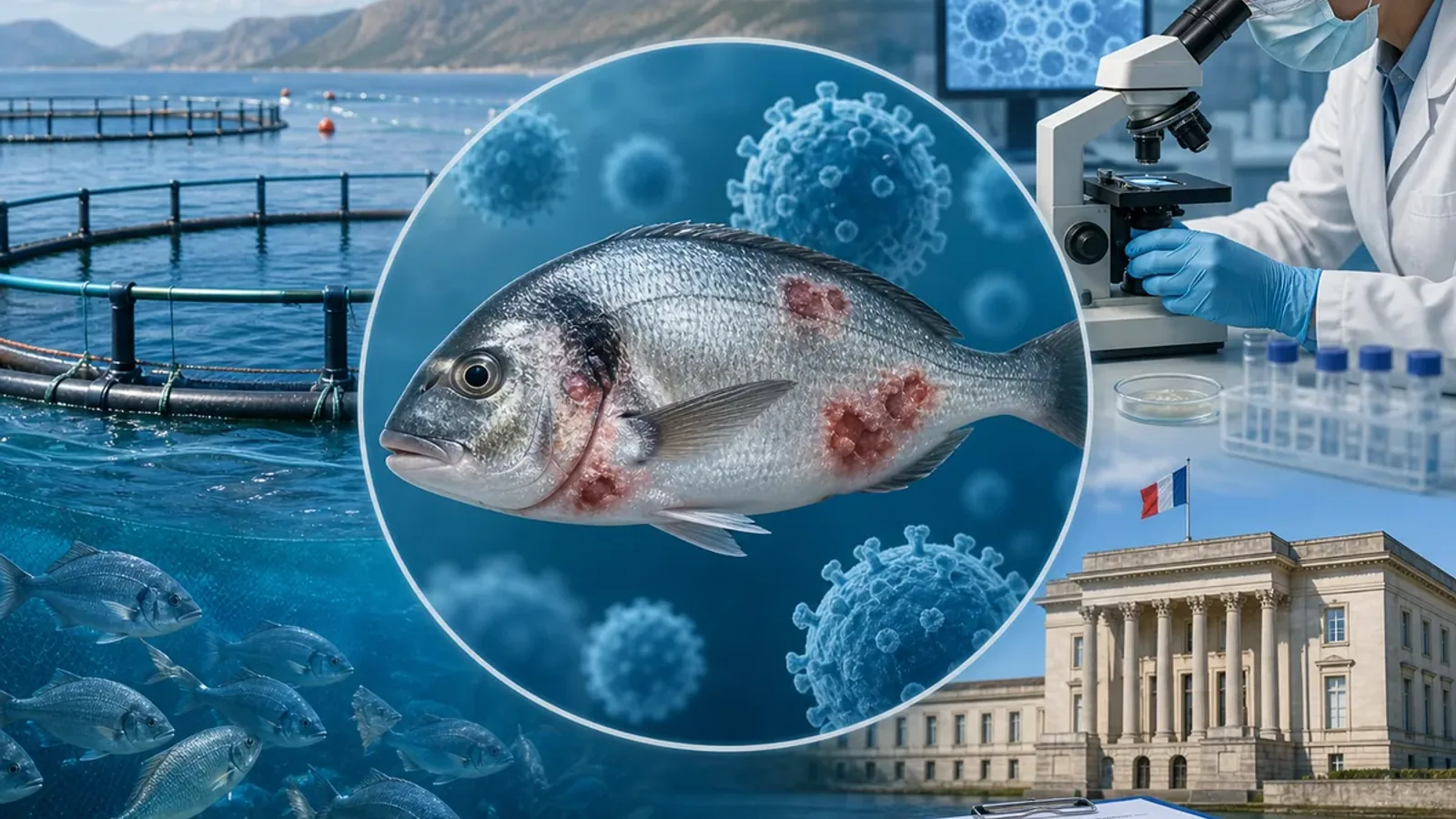
Infectious Haematopoietic Necrosis (IHN) is caused by the infectious hematopoietic necrosis virus (IHN). It is a highly infectious viral disease affecting several species of salmonids. The main clinical and economic consequences of IHN occur in aquaculture farms producing rainbow trout where acute manifestations can result in very high mortality.
Spawn and juveniles less than 6 months old are the most susceptible to IHN.
Atlantic, keta, silver, Japanese, sockeye and chinook salmon can also be severely affected. The infection is transmitted horizontally by water, secretions and direct contact with sick fish. The IHN virus can retain its infectivity for several weeks or even months in sediments.
Inapparent carrier salmonid broodstock are the main reservoir of IHN. Transmission via the surface of eggs from contaminated broodstock is favored when egg surface disinfection is imperfect.
The disease is generally characterized by a sudden increase in mortality in the absence of detectable lesions. Diseased fish exhibit clinical signs: lethargy with bouts of hyperactivity, melanosis, anemic gills, ascites, dilated abdomen, exophthalmos, and internal and external petechiae.
Historically, the geographic range of IHN was limited to the western part of North America, but the disease spread to continental Europe and the Far East via the importation of fish and of infected eggs.
Among each fish species, there is a high degree of variation in susceptibility to IHN. The age of the fish is extremely important: the younger the fish, the more predisposed they are to disease. As with viral hemorrhagic septicemia virus, good overall health of fish appears to reduce overt susceptibility to IHN. Fish become increasingly resistant to infection and become asymptomatic carriers.
Prevention
The water supply must be free of viruses. The health status of fish must be controlled, particularly when they are introduced into the fish farm or into the catchment area of the fish farm and in particular when eggs are introduced. Aquaculture farms or aquaculture zones can obtain “disease-free” status after implementing a qualification program and subject to compliance with strict and specific qualification measures.