

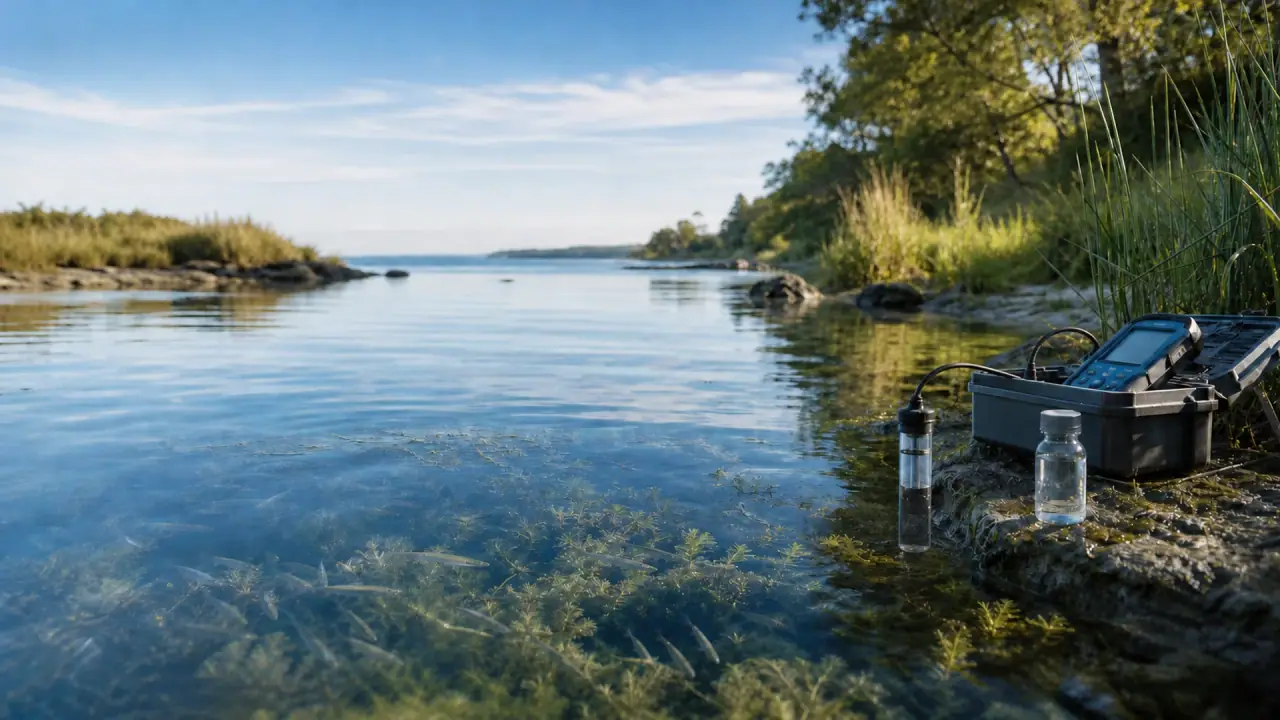
Secure interventions
Prepare captures, handling, transports and releases.
Veterinary expertise for wild aquatic animals, supporting health surveillance, conservation, sampling programmes and environmental research.
Prepare captures, handling, transports and releases.
Prevent stress, injuries, hypoxia and delayed mortality.
Distinguish between health, toxic and environmental hypotheses.
Avoid the spread of pathogens between sites.
Integrate health, well-being and regulations from the design stage.
Prevent pathogen transfer between sites during capture, transport, quarantine and release operations.
Plan field sampling and interpret mortality by combining health, toxicological and environmental hypotheses.
Define care, anaesthesia, analgesia and treatments required during operations involving wild aquatic animals.
Reduce stress, injury, hypoxia and delayed mortality through protocols suited to each species and field setting.
Design operations around their objectives, health risks, permits, logistics and conservation constraints.
Prepare teams for capture, handling, sampling, biosecurity measures and first aid in the field.
Context, species, environment, objectives and field constraints.
Well-being, health, biosecurity and regulatory framework.
Concrete measures for each stage of the intervention.
Advice, field presence or interpretation of results.
For conservation, transfer, quarantine and wild aquatic animal operations, Vetofish can define appropriate care, anaesthesia, treatment and monitoring measures in accordance with permits and species status.
Working with aquatic wildlife requires balancing project objectives, animal health and the sanitary protection of natural environments.
Specialist veterinary support throughout the organisation’s health approach.
Some of the organisations we support in the environmental sector.



Ideally during protocol design, to anticipate capture, handling, anaesthesia, transport, quarantine, biosecurity, stopping criteria and responses to injured animals.
Yes. Vetofish can help describe the event, select animals and samples, perform post-mortem examinations and interpret infectious, toxic and environmental hypotheses together.
Measures may cover visit order, dedicated equipment, cleaning and disinfection, water and effluent management, protective equipment and movement records.
Yes. Support may include pre-transfer assessment, examination, quarantine, transport conditions, anaesthesia, care, post-transfer monitoring and consideration of species status.
Yes. Vetofish can review health, veterinary and welfare aspects, while authorisation decisions remain with the relevant authorities and organisations.
Let’s anticipate health, regulatory and operational requirements.


