

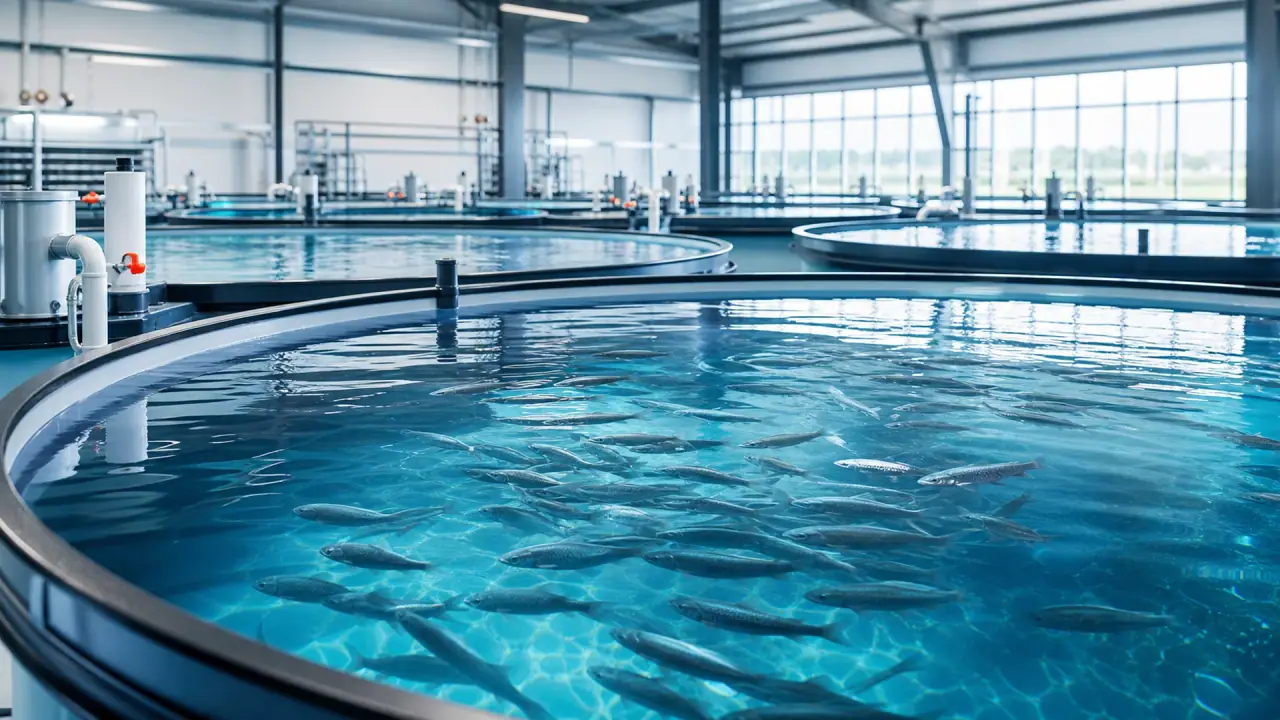
Preserve batch health
Detect imbalances early and maintain animals in good health.
Veterinary support for aquaculture facilities, combining prevention, diagnostics, biosecurity and health monitoring to control risks and protect stocks.
Detect imbalances early and maintain animals in good health.
Reduce the circulation of pathogens and associated losses.
Link the signs observed to animals, water and the livestock system.
Structuring quarantines, flows, cleaning and disinfection.
Reconciling traceability, medicines, well-being and production constraints.
Structure quarantine, movements, cleaning and disinfection to limit the introduction and spread of pathogens within production systems.
Select relevant samples and tests to investigate mortality, clinical signs or reduced performance within farmed stocks.
Tailor individual or group prescriptions and treatments to species, production systems and operational constraints.
Assess water, stocking density, feeding, handling and husbandry practices to improve animal welfare over time.
Support new or evolving farms, technical choices and the organisation of veterinary health monitoring.
Train teams in clinical observation, biosecurity, sampling and the responsible use of veterinary medicines.
Species, lots, water, facilities and health history.
Identification of probable causes and critical points.
Appropriate diagnostic, corrective and preventive measures.
Long-term support and evolution of recommendations.
Vetofish supports individual and group treatment decisions in aquaculture, including in-feed or bath protocols, environmental controls, outcome monitoring, traceability, responsible antibiotic use and applicable withdrawal periods for food-producing animals.
Farm health is built over time by connecting the animals, water quality, husbandry practices and the health history of every batch.
Specialist veterinary support throughout the organisation’s health approach.
Monitoring is valuable from farm start-up, during facility changes and when mortality, poor growth or recurrent disease occurs. Planned visits also help anticipate higher-risk periods.
Yes. Support then considers group health, traceability, food safety, medicine status and any withdrawal periods required under the applicable framework.
Yes. Vetofish supports breeders, importers and wholesalers with quarantine, mixed-origin groups, post-transport mortality, treatment and prevention of cross-contamination.
Investigation combines group history, timeline, animal examination, post-mortem findings, water quality, feeding, husbandry and targeted samples to distinguish infectious, environmental and production-related causes.
Yes. Assessment may cover broodstock, eggs, early life stages, water systems, staff and equipment flows, cleaning, disinfection and separation of groups.
Let’s discuss your animals, practices, systems and production objectives.


