

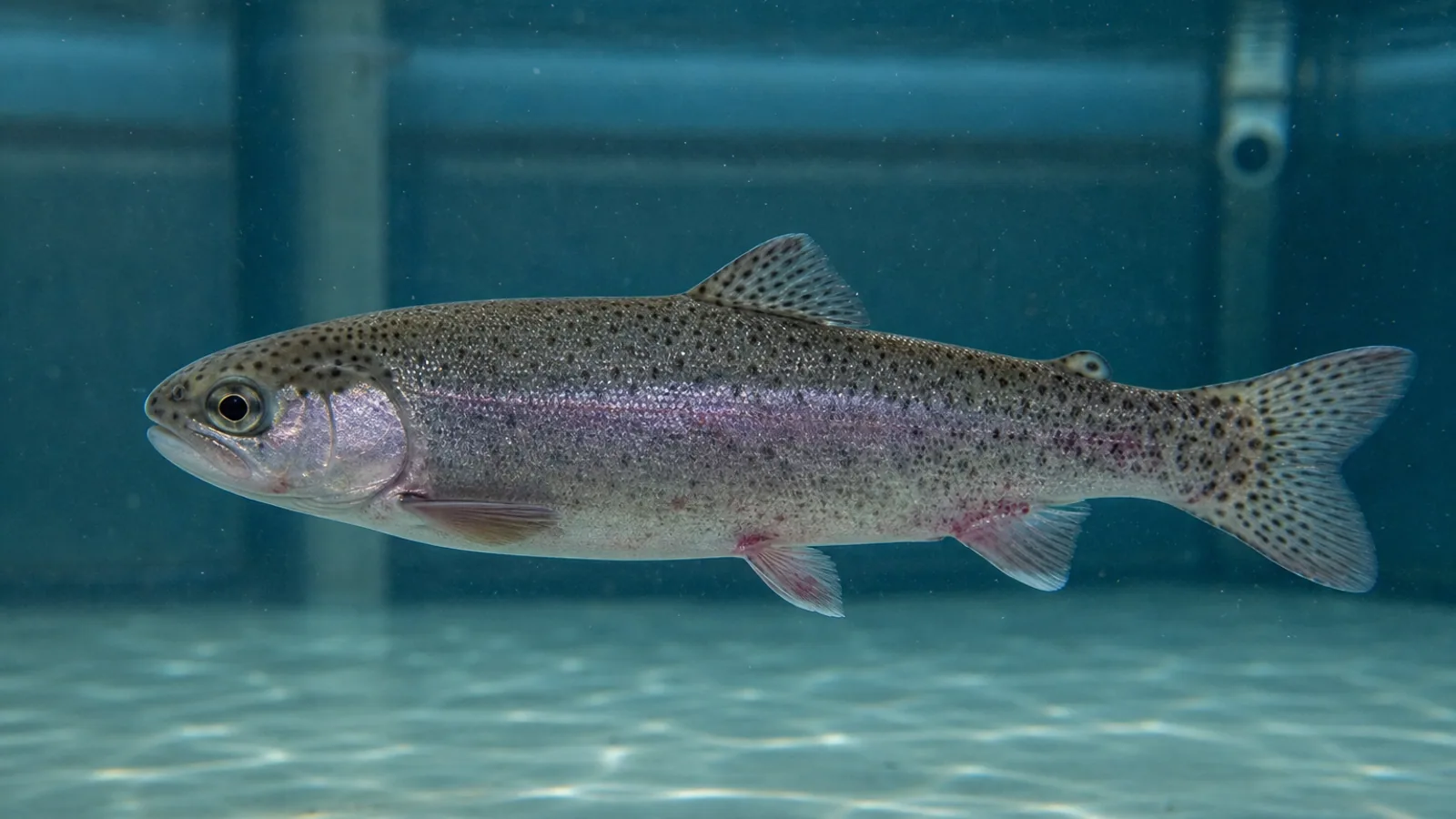
What is SHV?
Viral Hemorrhagic Septicemia (SHV or VHS in English for Viral Hemorrhagic Septicemia) is caused by the viral hemorrhagic septicemia virus (VSHV, synonym: Egtved virus). It is a major cause of mortality of rainbow trout in farming. Brown trout, grayling, whitefish and pike are susceptible to this virus, as well as marine species such as turbot and cod.
Animals of all ages can be affected, but the disease is more common and severe in juveniles.
Natural infection is transmitted horizontally through water or by direct contact with the secretions (urine) of infected fish. The released virus can travel 10 to 20 km with the current before reaching susceptible populations of rainbow trout. Piscivorous birds can act as passive vectors.
The acute form of the disease occurs during the early stages of infection during which sick fish show clear clinical signs: rapid increase in mortality (can reach up to 100%), lethargy, frequent loss of balance with sometimes spiral swimming, hemorrhages at the base of the fins, melanosis, anemic gills, ascites and dilated abdomen, internal and external petechiae.
Prevention
The water supply should be free of viruses. The health status of fish must be controlled, particularly when they are introduced into the fish farm or into the catchment area of the fish farm. Aquaculture farms or aquaculture zones can obtain “disease-free” status after implementing a qualification program and subject to compliance with strict and specific qualification measures.