

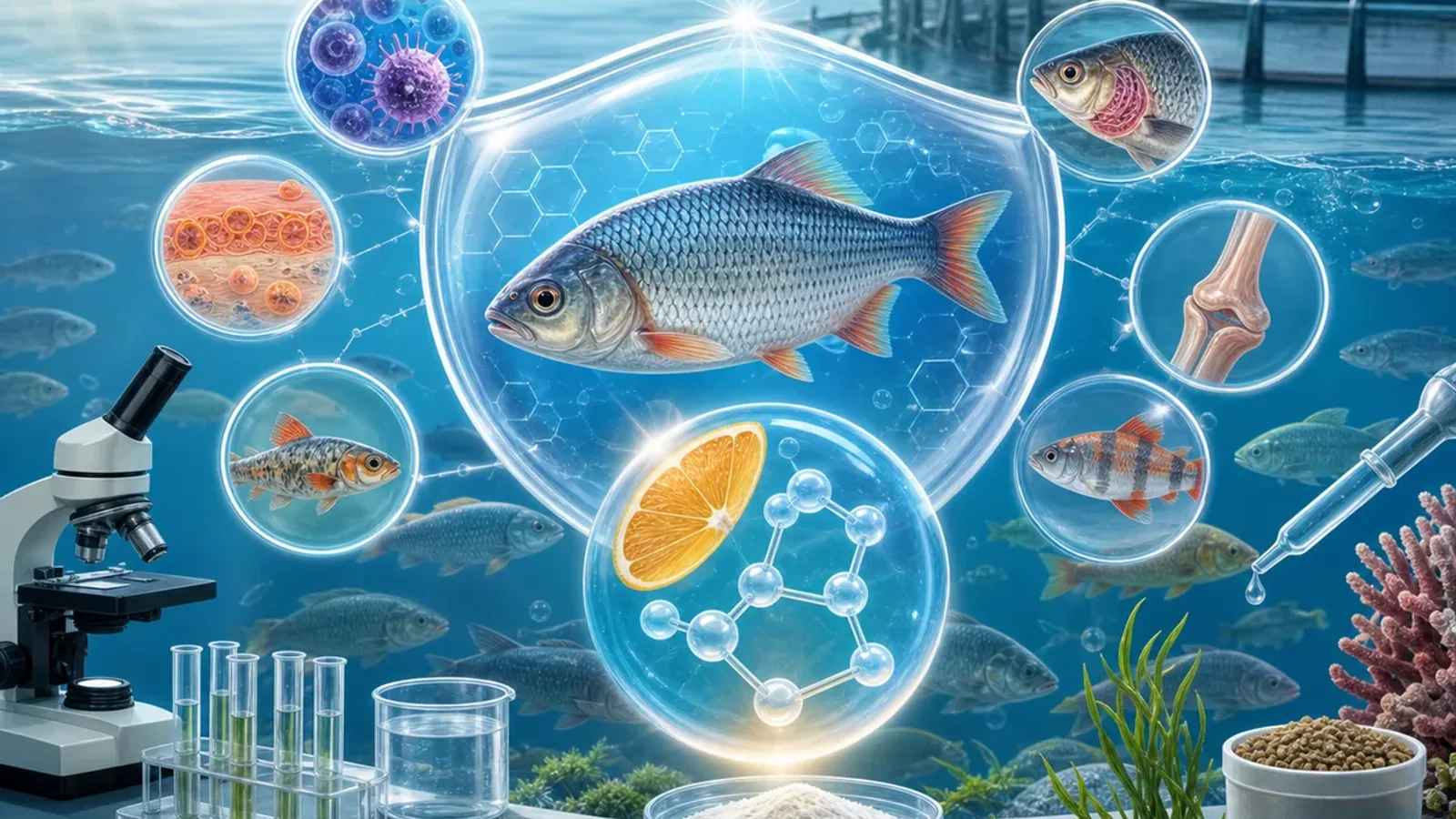
What roles does vitamin C play in fish?
Vitamin C is involved in most vital functions: growth, reproduction, healing, response to stress, lipid metabolism, immunity, etc. It is therefore essential to the survival of fish which, unlike the vast majority of mammals, are incapable of synthesizing it.
Vitamin C acts in numerous biochemical processes:
- It acts as a co-factor in certain reactions (cortisol and catecholamine, two steroid hormones secreted in the event of stress);
- It is involved in the synthesis of collagen, the main constituent of skin, bones and cartilage. It therefore plays an important role in the integrity of healing in the event of injury;
- It is a powerful biological antioxidant, which protects the membranes of living cells.
Doses, megadoses and duration of use:
The study of the need of Salmonids for vitamin C indicates a value of 50 mg / kg of food (NRC, 1993). The specificities of aquaculture farming lead to supplementations higher than this standard (at least double).
Numerous work has led to a current practice: that of the use of megadoses of 4 to 6 g of vitamin C per kilogram of dry food for prevention, or even cure of pathological problems, for a minimum period of 2 weeks. Megadoses of vitamin C are particularly indicated to reduce the clinical signs of smallpox in carp.