

How toxic are nitrites in fresh water?
Nitrites (NO2-) are considered to be the first compound resulting from the oxidation of ammonia by a specific bacterial flora of the biological filter. This compound is highly toxic and should be present at almost undetectable concentrations in an aquarium.
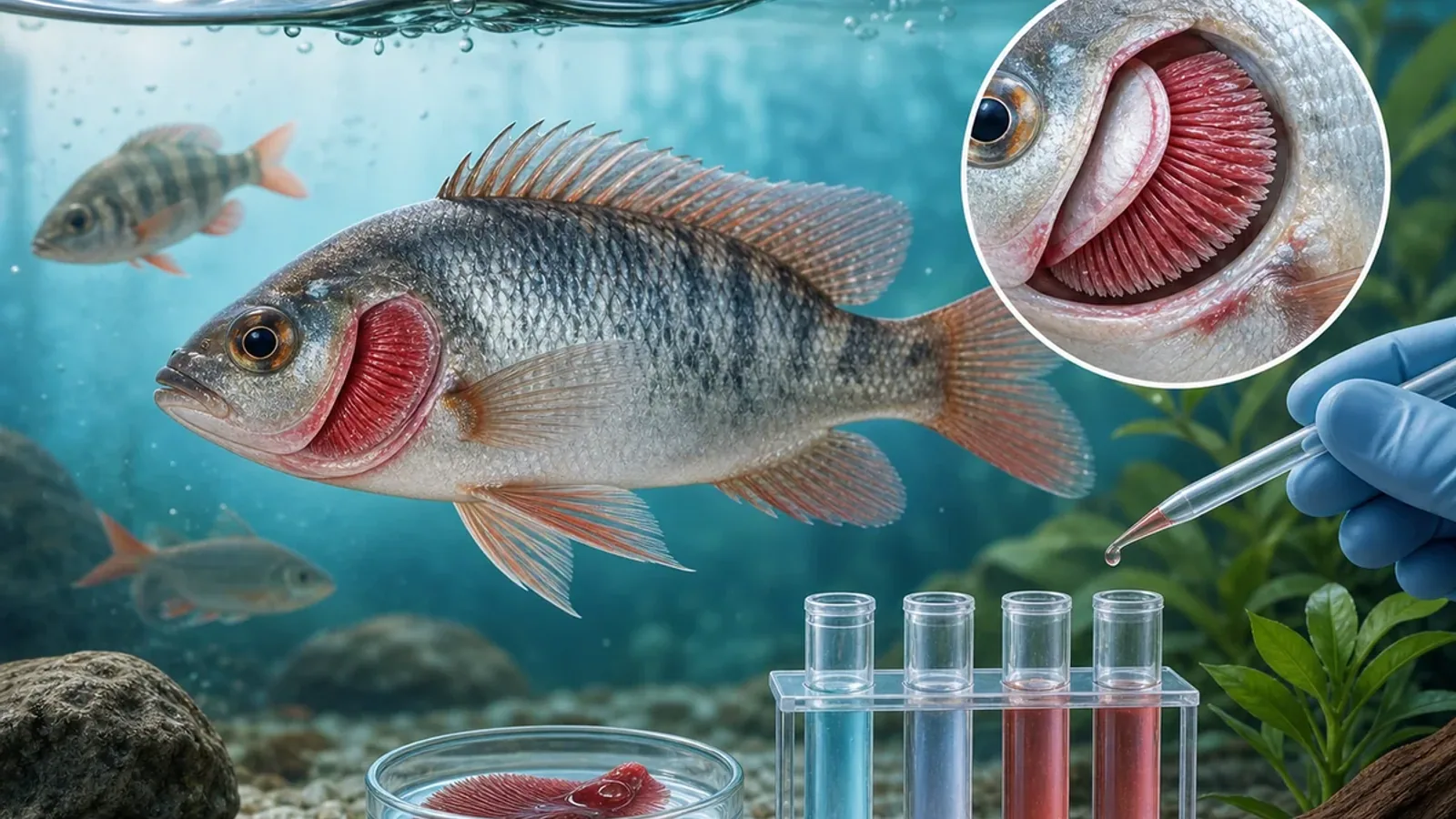
The major toxic effect is the destruction by oxidation of the hemoglobin contained in the red blood cells, leading to the impossibility of fixing oxygen and transporting it to the organs: we then speak of methemoglobinemia. The iron atom contained in the heme is permanently oxidized and can no longer bind the oxygen molecules. Poisoning by nitrites will be much faster than poisoning by ammonia, the fish finding itself in a state of respiratory distress very quickly.
Fish poisoned by nitrites are apathetic, prostrate at the bottom, lose their appetite and eventually succumb.
It is however good to know that nitrites are much less toxic:
- In an alkaline environment (unlike ammonia);
- In the presence of chloride ions in the water.
In the event of accidental pollution by nitrites, the addition of salt of around 1 g/L of water (1 kg/m3) can limit the damage and allow a temporarily disrupted nitrogen cycle to be restarted. However, this is an emergency solution which should not last.
The maximum concentration of nitrites in an aquarium or pond should not exceed 0.2 mg/L.
Order online
Consult note boutique to order a fresh water analysis.