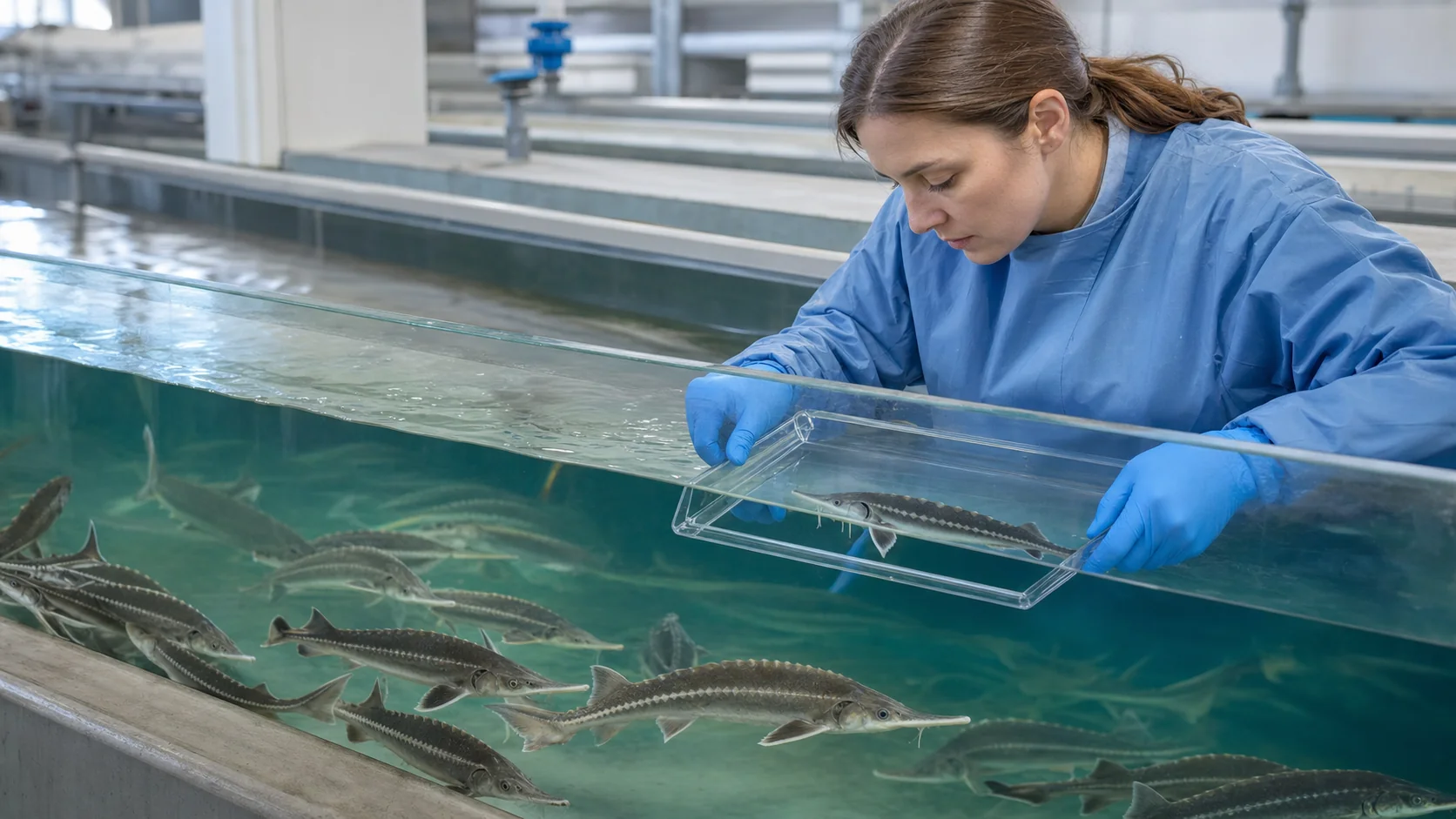
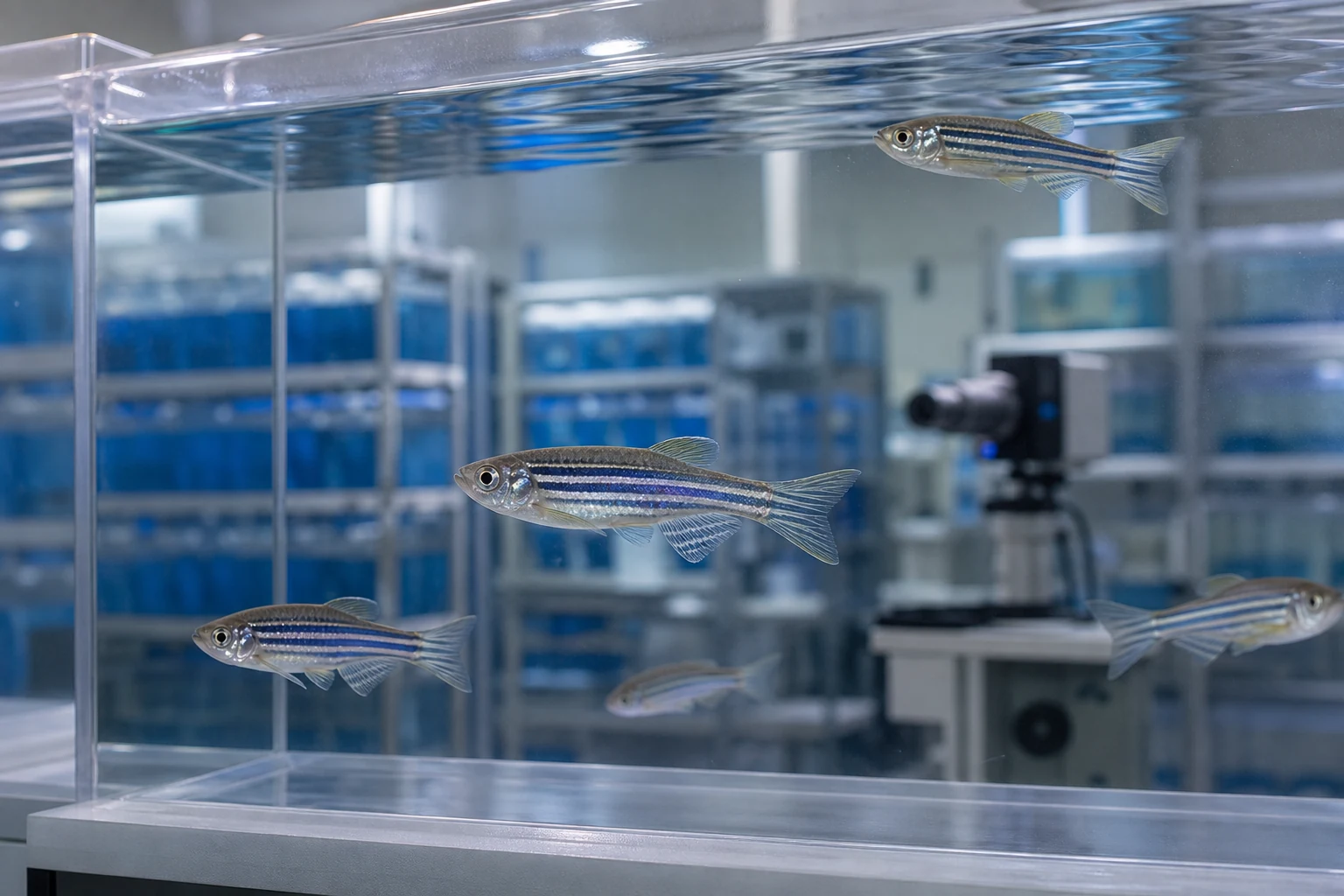
FELASA–AALAS recommendations provide a structured way to introduce fish colonies while protecting health status, staff safety and the reliability of research.
A standardised set of reflex observations can provide a rapid field measure of fish vitality, provided the protocol is validated for the species and release context.
A study across eight Italian farms documents AcIV-E circulation and the diagnostic challenge posed by non-specific signs and the lack of routine cell culture.
Research at the Tennessee Aquarium shows how flow, depth and substrate shape fish space use, turning microhabitat choice into evidence-based enrichment.
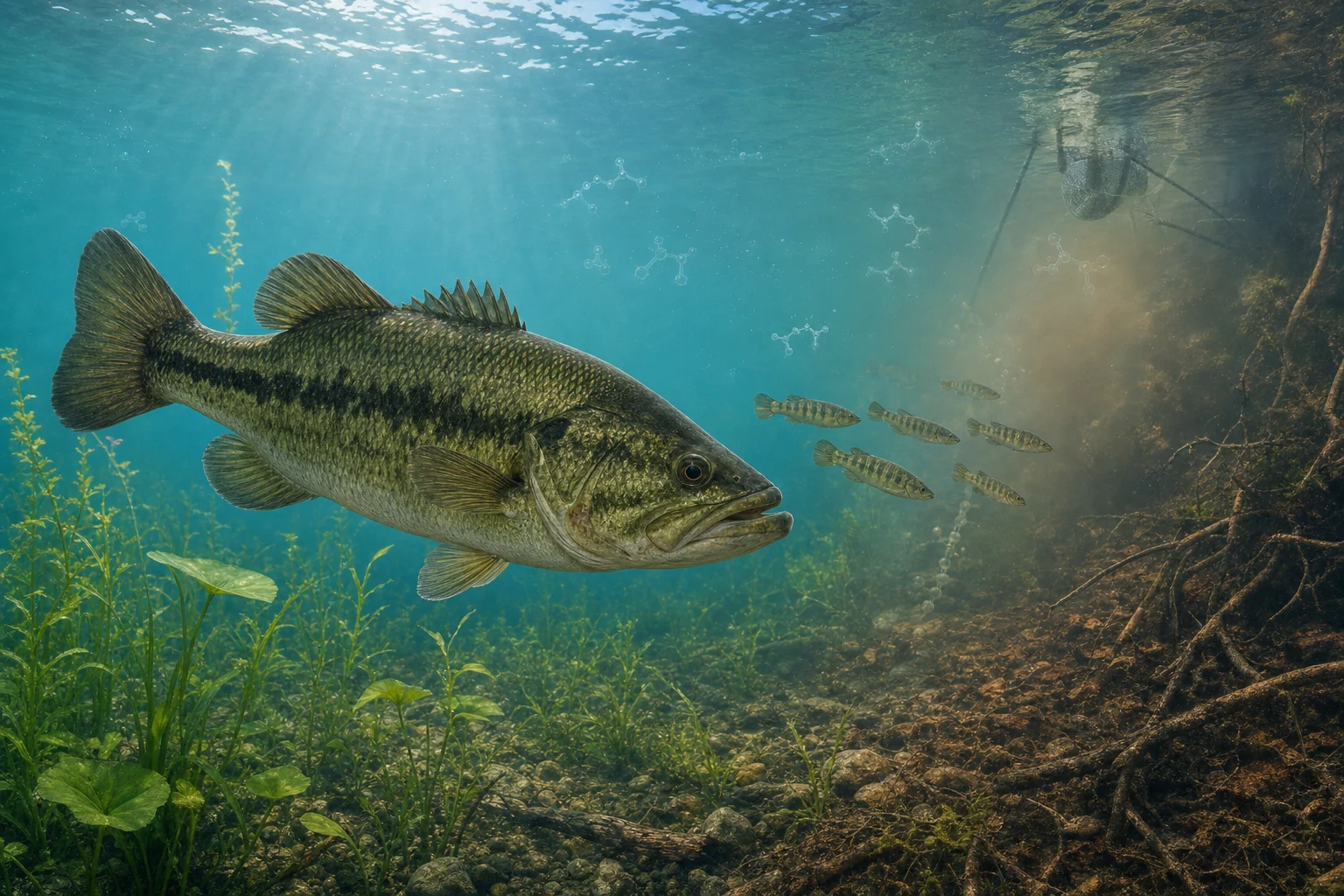
A US field study combines PFAS measurements in wild fish with tissue pathology and molecular responses, offering a practical model for integrated aquatic surveillance.
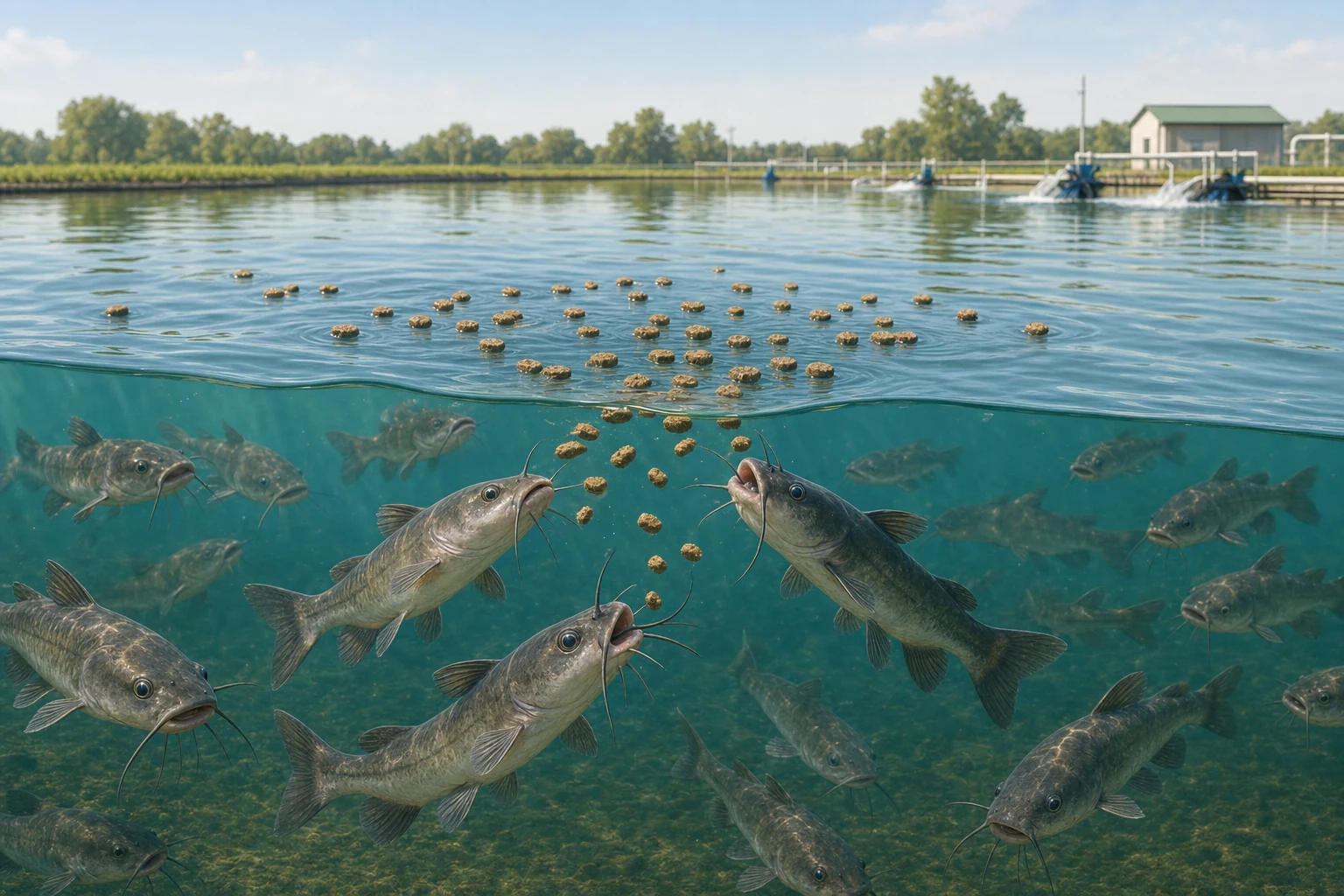
An experimental killed bacterial vaccine delivered in feed improved channel catfish survival after Aeromonas challenge, highlighting both the promise and constraints of oral boosters.
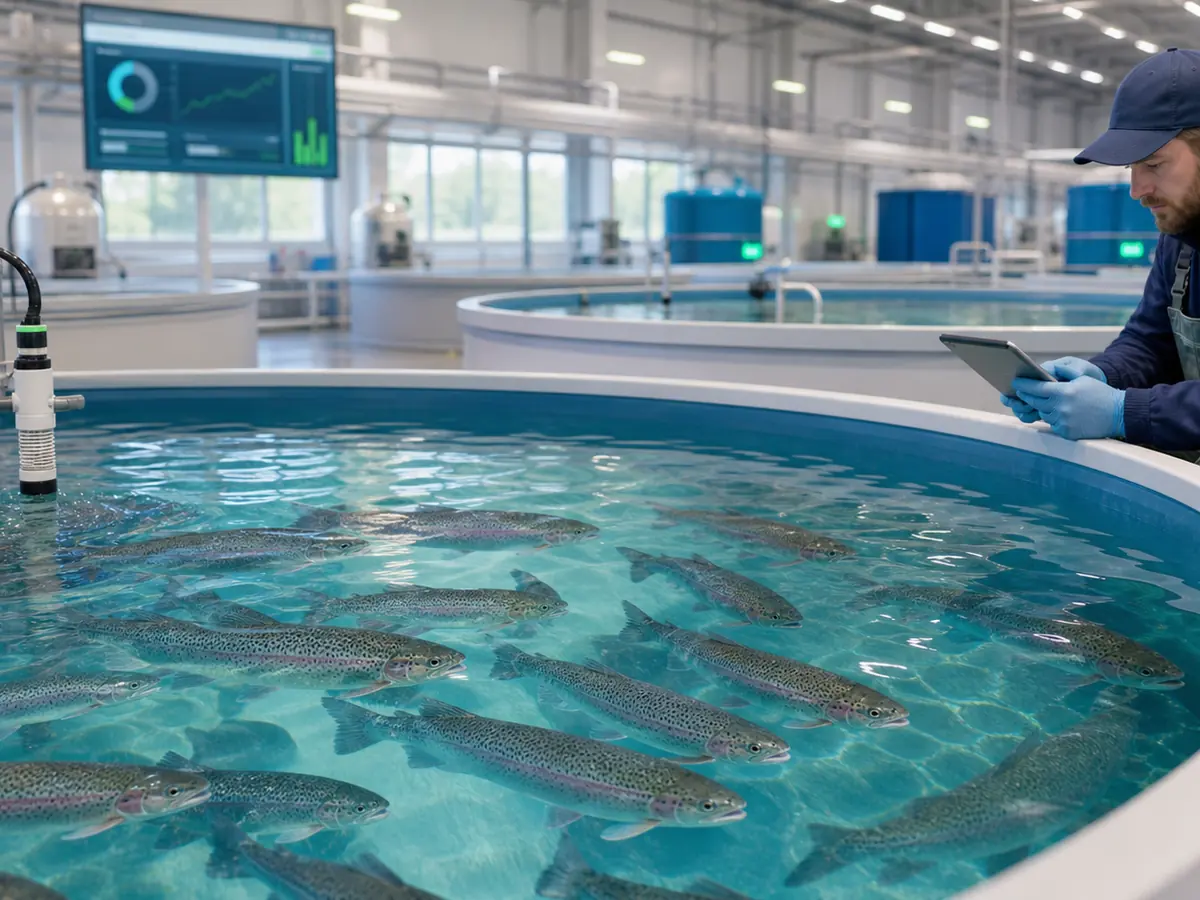
A new European framework highlights 11 practical indicators to monitor farmed fish welfare, detect early warning signs and improve daily decisions on farms.






 Contact us